


Sleeping well in the summer | Navigating heat and hormones

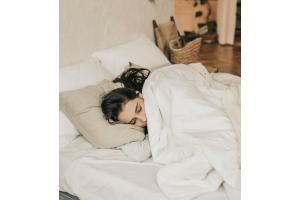
Who doesn't look forward to summer? As the days start to get longer and the temperature warms up, vitamin D levels are boosted and so is our mood. But, for many Greenfibres customers, rising temperatures don't just mean brighter mornings; they mean broken sleep, tossed-off covers, and the frustration of waking up feeling clammy. If you are currently navigating menopause or are naturally a hot sleeper, this seasonal shift can feel like a genuine challenge to your wellbeing.
At Greenfibres, we’ve spent 30 years researching how textiles interact with our wellbeing. We truly believe your nightwear and bedding have a big impact on your sleep, and they can either help or hinder your body’s ability to truly rest. We explore how we can prevent the return of that restless overheating cycle, that turns a peaceful night’s sleep into tossing, turning and tiredness, whether it's caused by hormones or environmental factors.
How to avoid the plastic bag effect
The primary reason we overheat at night isn't just the room temperature, it’s the moisture trap. Synthetic fibers like polyester and nylon, found in duvets and nightwear and memory foam in mattresses are essentially plastic. They have zero absorbency. This means as your body temperature rises and you begin to perspire, that moisture has nowhere to go. It sits on your skin, creates a heat-trap, and signals your brain to wake up.
The natural solution for wicking and breathability
To stay cool, your skin needs two things: wicking (moving liquid away) and breathability (allowing air to circulate). Many natural fibres have inbuilt properties allowing them to process heat and moisture effectively, helping to keeping you comfortable at night, achieving dreamy sleep. There's a wide range of natural fibres available, and switching to any of them will almost certainly help, here's some of our favourite fibres for summer bedding:
- Tencel: master of moisture wicking. Derived from eucalyptus wood pulp, Tencel is where sustainability meets high-tech. It absorbs moisture 50% more efficiently than cotton and releases it back into the air almost instantly. This keeps your skin dry, super helpful for preventing hot flushes from becoming full-blown sleep disruption.
- Silk - natures thermal buffer. Silk has a low thermal conductivity, meaning it creates a barrier against external heat while allowing your body’s own heat to dissipate. Silk duvets are great in the warmer weather as the lightness of the fibres create a weightless drape, keeping you covered whilst feeling cool the to the touch.
- Camel hair - it sounds counterintuitive to suggest hair for summer, but when you consider that camels survive desert heat of over 40°C you can understand why it works. Their fine, curly hair creates tiny air pockets that act as a natural thermostat, meaning that a camel hair duvet doesn't just warm you, it helps regulate you, preventing the cold to hot seesaw that many women during menopause experience during the night. The perfect all-year duvet!
- Wool - Like camel hair, wool feels like the last fibre you’d want for a summer night, but it’s actually one of nature’s most versatile climate controllers. Unlike synthetic insulation that creates a heat trap, wool is active. Wool fibres have a unique crimp that allows for constant air circulation. As your body temperature increases, wool fibres absorb moisture vapor and release it into the drier air outside the duvet, creating a natural cooling effect. Wool duvets in all season or summer weights also provide a comforting, familiar weight for those who can’t sleep without a cover, but its exceptional breathability ensures you stay in that perfectly dry and never stifled.

Your summer sleep checklist:
If you’re ready to reclaim your rest this season, our 3 top tips are:
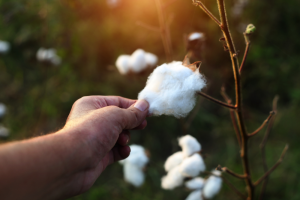
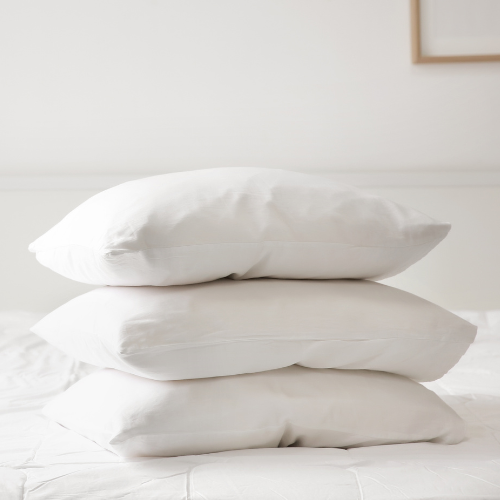
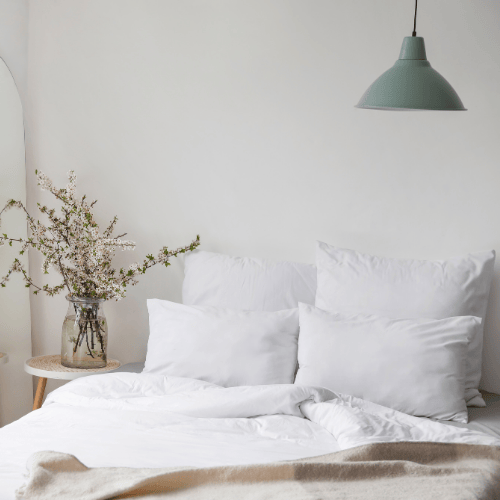
Strip out synthetics: Check the labels on your pillows and duvets. If they are polyester-fill, they are likely the source of your heat-trapping. Switch your bed linen to pure, organic cotton - avoid polyester blends - often known as ‘microfibre’ or hidden under ‘easy iron’ marketing claims. Ensure nightwear is cotton, or blends of cotton, wool and silk, rather than synthetic blends.
Choose lower profile layers: Swap heavy winter duvets for Tencel or silk, or all season camel or wool, providing the comfort of coverage without the bulk. Our all-season duvets are ideal if you don't want a summer and winter duvet, and all our duvets come with ties in the corner, allowing you to double on duvets in the colder season.
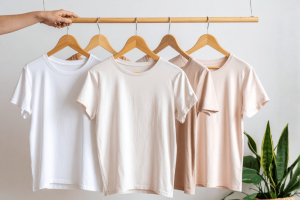
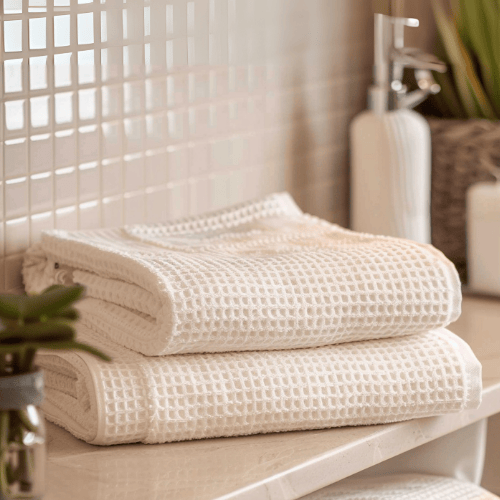
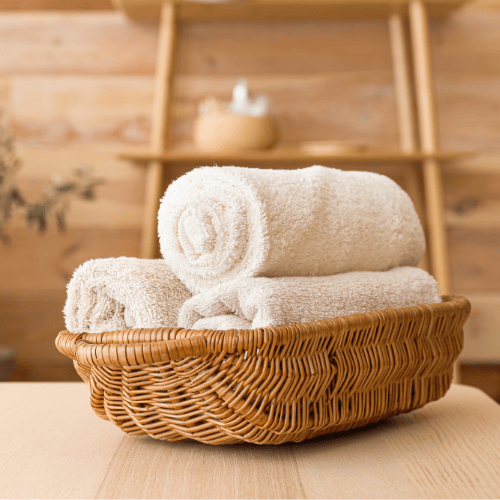
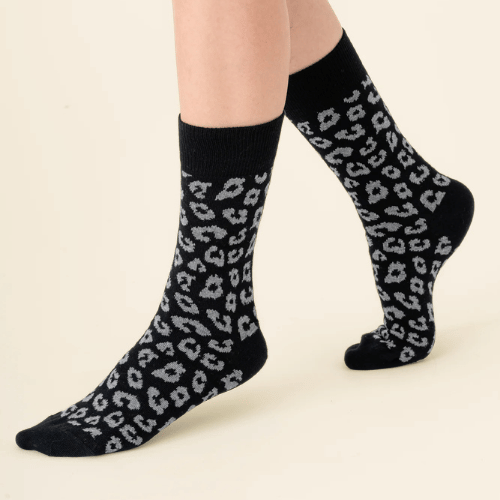
Prioritise what’s closest to your skin: Your nightwear is your first line of defense. Switch to organic cotton or silk, wool and cotton blend pieces that are free from the easy-care chemical coatings that can block the breathability of the fabric
Finding your perfect summer balance
At Greenfibres our 3 decades of researching the power of nature and natural fibres, has shown us that you don't have to accept broken and bad sleep as a seasonal inevitability. By choosing fibres that work with your body, whatever phase of life you’re in and whatever time of year it is, you can create a sanctuary that stays cool, dry, and restorative. Whether you are drawn to the weightless, silken drape of Tencel and silk, the high-performance regulation of Camel Hair, or the familiar, airy comfort of Organic Wool, the goal is the same. We’ve spent 30 years helping our community navigate these life and seasonal shifts. If you’re unsure which natural fibre is right for you, we’re here to help you find your perfect match.
Explore our bedroom range here.
Still have questions about weight or breathability? Get in touch with us for more help.